The 2026 US Dietary Guidelines
Hi there! Team dietitian Erika here! We all may have heard a bit about the new 2025-2030 nutrition guidelines, also summarized so well by the one and only Holley! (See post here). I wanted to provide a quick recap here and the implications for runners in particular.
Based on the 2025-2030 Dietary Guidelines for Americans, summarized in bullets below are the additions and changes. There are some points that can be helpful for runners including an increase in protein and addressing sodium needs for active individuals, but they highlight complex carbs over refined or simple carbs, and for very active individuals, complex carbs over simple carbohydrates may not be as well tolerated for fueling and carb loading.
What's stayed the same?:
We still need to eat the right amount for you in terms of age, sex, height, weight, and level of activity
We still prioritize consuming a variety of high quality protein sources, which is beneficial for the athletic population, especially for recovery
They include dairy
<10% daily calories from saturated fat is recommended
Reducing highly processed foods and prioritizing whole foods are recommended
One meal should contain no more than 10g added sugars
Be mindful of alcohol consumption
Emphasizing vegetables and fruits as half of food intake
What's changed?:
Protein recommendations have increased from 0.8g/kg to 1.2-1.6g/kg
Encouraging full-fat dairy (specifically full-fat dairy with no added sugars)
Prioritizing fiber-rich whole grains and significantly reducing highly processed, refined carbohydrates. (May not fit entirely with an active individuals fueling plan.)
Incorporate healthy fats from whole foods including meats, poultry, eggs, seafood, nuts, seeds, full-fat dairy, olives, and avocados. While saturated fat rich options like butter and beef tallow are mentioned, the guidelines also include "oils with essential fatty acids, such as olive oil"
Not providing specific guidance on alcohol limits (previously 1 drink/day for women, 2 drinks/day for men)
Avoiding foods high in sodium as part of avoiding highly processed foods while addressing that active populations may need more. (Sodium and highly processed convenience foods may be a part of a fueling plan to help meet needs for active individuals when demand is high - ramen, pasta, pop tarts, cereal, breads, soups, etc.)
First-ever recommendation to limit artificial flavors, petroleum-based dyes, artificial preservatives, and low-calorie nonnutritive sweeteners. (As referenced in past newsletter articles, dyes may impact children in a number of ways, excluding nonnutritive sweeteners may have an impact on populations who are looking to reduce added sugars or excess carbohydrates as in those with diabetes. Many non-nutritive sweeteners are on the GRAS [Generally Regarded As Safe] list and natural non nutritive sweeteners like stevia were not addressed)
Avoid sugar-sweetened beverages completely. (These may be a large part of a fueling plan for pre, intra, and post activity.)
Zero added sugars recommended from birth through 10 years of age. (This may increase the risk of having a poor relationship with food and the potential for disordered eating or binge eating if restriction is upheld; I.e, birthday parties, Halloween, etc)
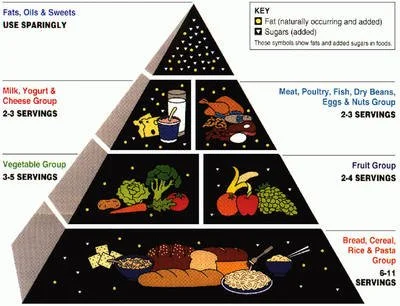
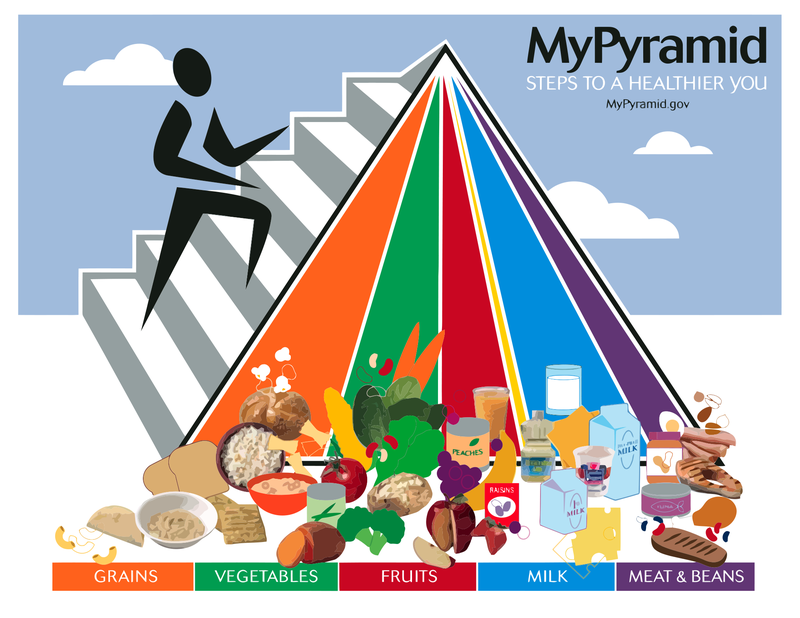
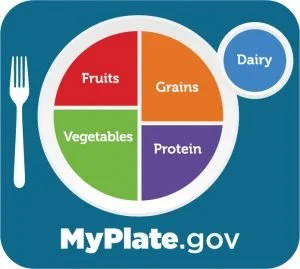
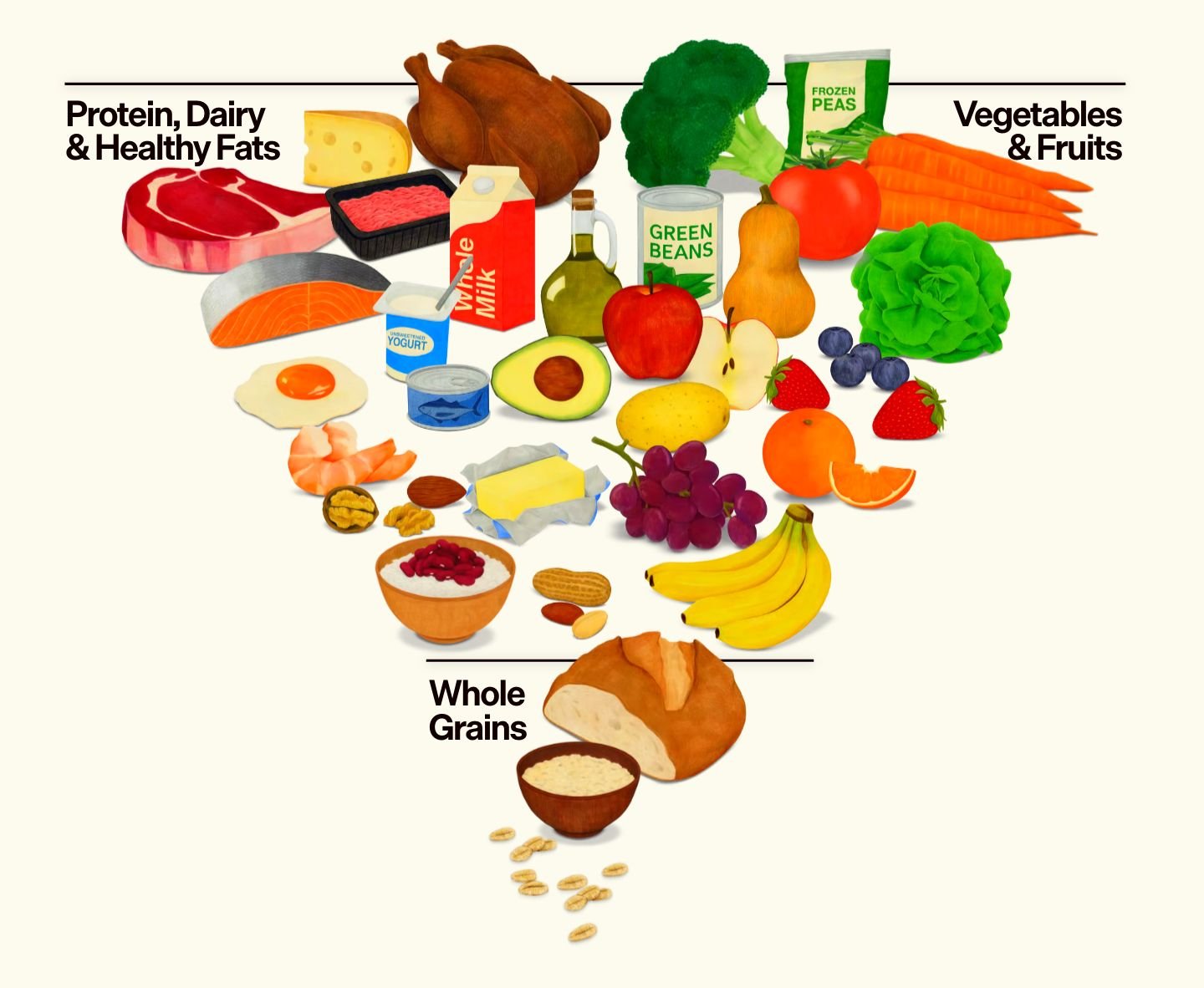
New upside down food pyramid graphic replacing MyPlate, organized around three points: protein, dairy, and healthy fats; vegetables and fruits; and whole grains
New guidance for individuals with certain chronic diseases to consider lower carbohydrate diets in consultation with healthcare professionals. (Higher carbohydrate diets are crucial for active individuals and athletes.)
What does this mean for me?:
Focus on protein at every meal with a target of 1.2-1.6g/kg body weight daily, which translates to approximately 16-21% of total calories. (For active individuals or those who strength train, this may be closer to 1.2-2.2g/kg.)
Choose dairy without added sugars instead of low-fat flavored options (e.g., plain whole-fat yogurt instead of flavored low-fat yogurt). Note that full fat dairy can be a part of the plan, especially for meeting caloric needs but timing and composition of meal and snacks, as well as sensitivity and tolerance to saturated fats for those with higher cholesterol levels should be assessed.
While the guidelines suggest to significantly reduce refined carbohydrates like white bread, packaged breakfast cereals, and crackers - as these make up roughly 1 in 4 calories in the current food supply- these are some of the primary foods as part of an athletes fueling strategy. These things can be incorporated strategically for athlete needs and differ from guidelines for a sedentary population
While the guidelines advise against highly processed, packaged, or ready-to-eat foods, it should be noted that these foods make up 60-70% of the current food supply. Some of these food items need to be a big part of the fueling plan, especially when traveling or on the go.
While the guidelines suggest limiting added sugars to no more than 10g per meal, with specific FDA limits in foods (5g in grains, 2.5g in dairy), this is not realistic or health promoting for athletes in a vacuum. Gels alone contain ~30g carbohydrates per serving.
While the guidelines suggest avoiding products with artificial additives including artificial flavors, petroleum-based dyes, artificial preservatives, and nonnutritive sweeteners, and this can be particularly important for youths, it can potentially be unrealistic for those on a budget or who have sensitivities to natural dyes like spirulina.
Prioritize fiber-rich whole grains and aim to meet the adequate intake of 14g fiber per 1000 calories consumed. Fiber is important, but for those with limited appetite who have a hard time with adequate fueling or those who have a sensitive gut may find they benefit from less fiber until their gut is trained. These guidelines may not apply perfectly to you- Holley has a podcast episode on this topic here
Choose healthy fats from whole food sources, prioritizing plant and seafood sources like olive oil, nuts, seeds, avocados, and fatty fish.
Combine higher protein intake with regular strength or resistance training to build muscle mass, particularly important for women and older adults. Strength training can be a benefit for runners, and the goal can be to maintain vs gain muscle mass and not lose muscle mass which may contribute to increased risk of injury.
At any rate, these guidelines have mostly been what we’ve mentioned before with some new changes that may or not be entirely realistic, functional, or appropriate for athletes. On a positive note, it is great that the guidelines are getting some time in the limelight and the administration is paying attention to nutrition policy recommendations to try to improve health. As in the past, the guidelines are there, but it doesn’t mean that it fits for every person, or that they will be followed in the first place. The majority of health discrepancies in the US have been attributed to the fact that Americans do not follow the US Dietary Guidelines, and not that the guidelines themselves were wrong.
Until next time!
References
1. The 2025-2030 Dietary Guidelines for Americans. Mozaffarian D. JAMA. 2026;:2844092. doi:10.1001/jama.2026.0283.
Top left: food pyramid from 1992
Top right: food pyramid from 2005
Bottom left: MyPlate 2011
Bottom right: food pyramid 2026